
Gambling's impact on the mind Understanding psychological triggers and consequences
The Psychology of Gambling
Gambling taps into various psychological triggers that can influence human behavior. The thrill of risk-taking and the allure of winning can create a compelling need for many individuals. This excitement is often fueled by the brain’s reward system, which releases dopamine when one wins. This neurochemical response can make gambling not just an activity but a highly engaging experience, leading to repeated participation. For those interested in diving deeper into the fun, the Plinko Game is an exciting option worth exploring.

Moreover, the variability of outcomes in gambling, particularly in games like sports betting and online options, can intensify this psychological pull. Players may experience intermittent reinforcement, where occasional wins encourage continued play despite long periods of losses. This unpredictability creates a cycle that can be difficult to break, as individuals chase the next potential victory.
Psychological Triggers in Gambling
Several psychological factors drive individuals to gamble. One key trigger is the concept of “near misses,” where players come close to winning, which can lead to increased motivation to continue playing. Such experiences can distort a player’s perception of their chances and foster a false sense of control over outcomes. The more frequent these near misses, the stronger the psychological urge becomes to keep betting. In terms of overall betting habits, online plinko stands out as a unique and entertaining choice.
Additionally, social influences play a significant role. The culture surrounding gambling, especially in environments like casinos or online platforms, can normalize the behavior and make it more appealing. Peer pressure and social validation often encourage individuals to engage in gambling activities, further complicating their relationship with risk and reward.
The Consequences of Problem Gambling
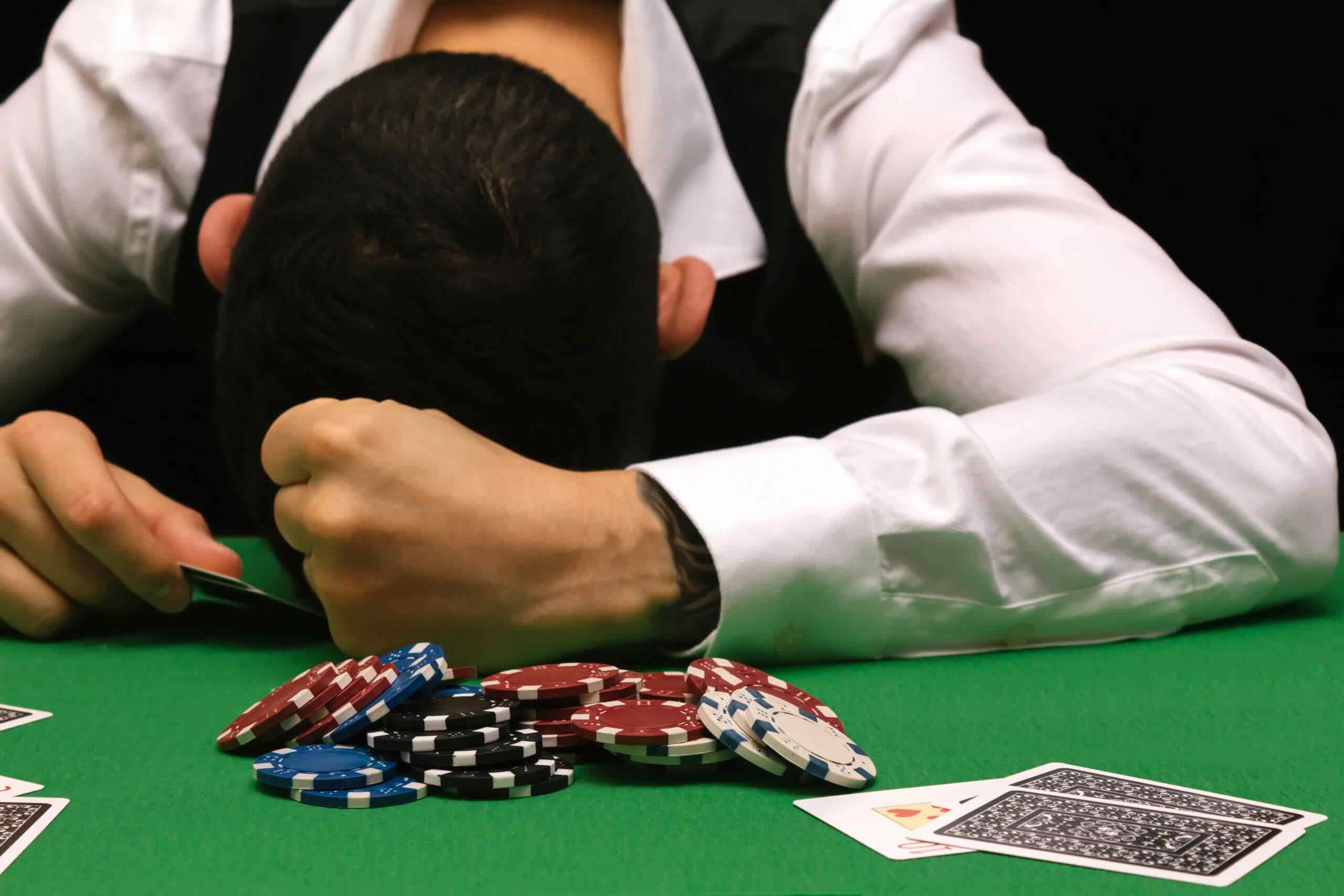
While gambling can be entertaining, it can also lead to severe consequences for individuals and their loved ones. Problem gambling is characterized by an inability to control gambling behavior, often resulting in financial difficulties, strained relationships, and mental health issues such as anxiety and depression. The emotional toll can be immense, as individuals may feel isolated due to their gambling habits.
The negative repercussions extend beyond the individual. Families and communities can suffer from the impacts of gambling addiction, leading to a loss of trust and significant emotional strain. Understanding these consequences is vital for those who gamble recreationally, emphasizing the importance of moderation and self-awareness.
Strategies for Responsible Gambling
To mitigate the risks associated with gambling, adopting responsible strategies is essential. Setting limits on time and money spent gambling can help maintain a healthy balance. Additionally, self-exclusion programs and counseling services can provide support for those struggling with gambling addiction. In recent years, plinko online has emerged as a less risky option for players looking for fun with potentially lower stakes.
Education about the psychological aspects of gambling is also crucial. By understanding the triggers and consequences, individuals can make informed decisions, fostering a more responsible approach to gambling activities. Awareness campaigns can further assist in promoting healthy gambling behaviors within communities.
Exploring Online Gambling Experiences
As online gambling becomes increasingly popular, platforms are diversifying their offerings to attract players. Games like online Plinko provide engaging and exciting options for those looking to gamble from the comfort of their homes. These platforms often feature transparent payout structures and adjustable risk levels, appealing to both novices and seasoned gamblers.
Such online experiences not only enhance the enjoyment of gambling but also emphasize the need for responsible gaming practices. By understanding the psychological triggers at play, players can approach these games with mindfulness, ensuring that their gambling remains a fun and controlled activity rather than a harmful pursuit.